I’ve been debugging computers for my whole life.
One of my earliest computer debugging memories was splicing my own null modem (serial) cable connecting two 386s to play DOOM with my brother.
With no internet or manuals, I somehow figured out how to run dm.exe and get it working over 100’ for lots of summer fun.
[Picture of my brother and me stringing a 100-foot-long, masking-tape-wrapped bundle of mismatched wires across the house in 1995 unavailable]
But now in 2026, with AI’s assistance, I feel unstoppable. I feel like there is no debugging problem I can’t solve with AI (Claude’s) help.
With AI at my side, will there be no more (computer debugging) mysteries1?
Early Days: Reading Books
When I started debugging computers professionally, one of the first books I read was the O’Reilly “DNS and BIND” book:
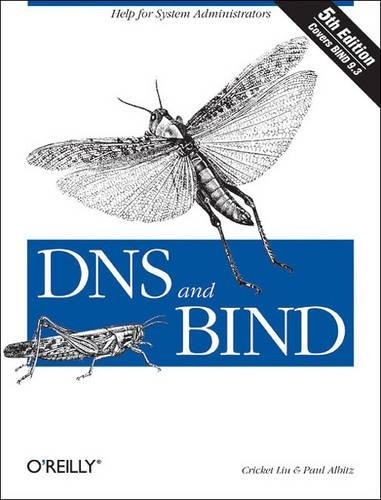
Only now do I realize that the cricket was for Cricket Liu!
Then later I read the classic “UNIX and Linux System Administration Handbook”.
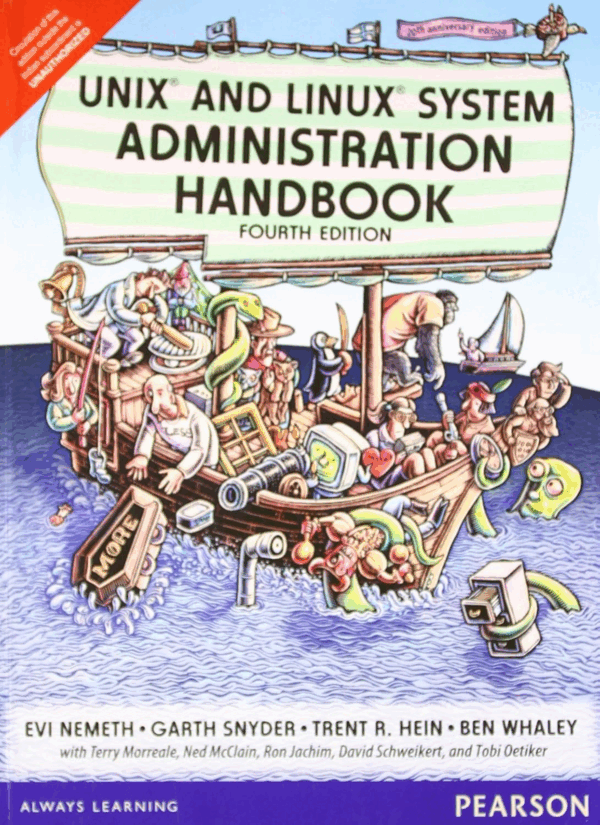
I had the same sort of “super power” feeling after absorbing these books.
I was unstoppable, especially compared to my peers who had not read them.
Yet, there were always issues that were beyond my depth. Plenty of mysteries out there.
There were problems that I had to escalate. I didn’t know everything, but someone at the company could figure it out. At least in theory, right?
The Internet & Stack Overflow Era
The internet changed things.
Now pockets of users who were facing the same mysteries could share notes.
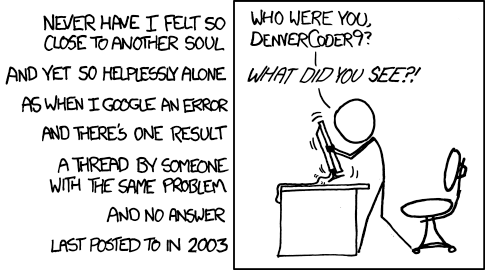
It was great (mostly)!
Lots more mysteries were [SOLVED] (a reference to when we used to put SOLVED in forum threads after it was figured out).
But the most important thing we were doing was sharing our experience.
(Of course, little did we know that we were providing fodder for future AI training)
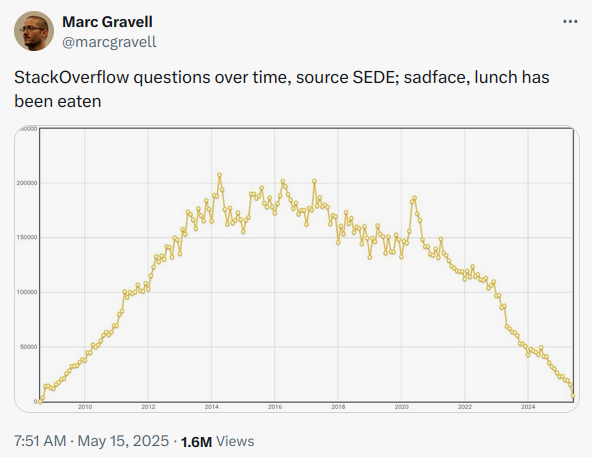
The AI (LLM) Era
AI (LLMs, Claude Code, etc) takes debugging to an extreme.
The sum of all human knowledge is baked into an API that can run grep on your code base:
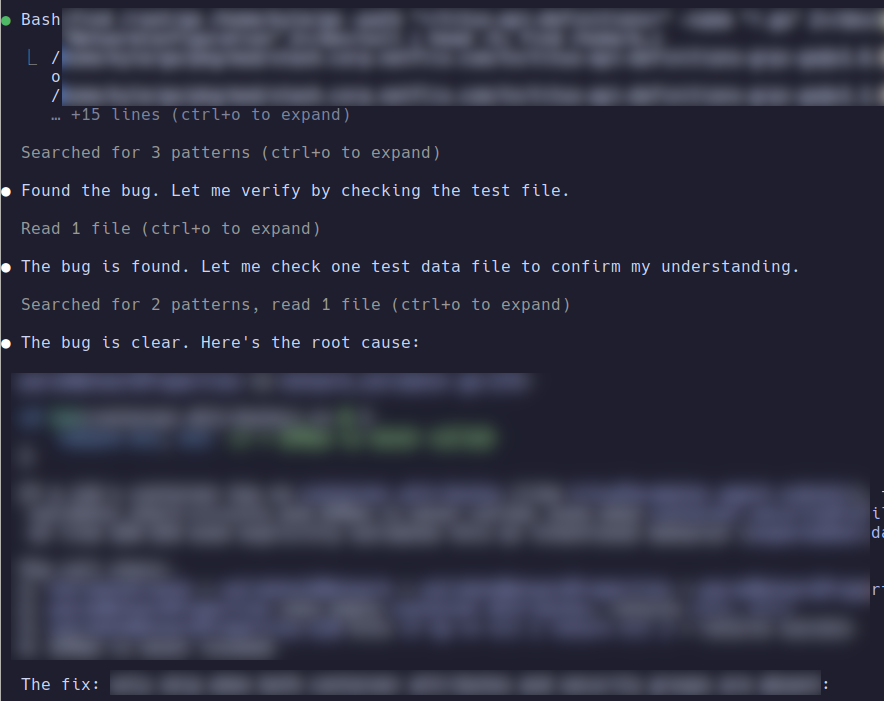
At least in the OSS world, I can equip an AI with any piece of source code it could possibly need to get down to the bottom of a particular bug.
I can ask an AI to step through some application code, into the libraries it uses, and all the way down to Linux syscalls, and look at every line of code along the way.
But to me, the real difference in behavior comes from the fact that, because AI-assisted debugging is so much faster and cheaper, we can solve mysteries that would not have been worth the time before.
Lots of times in my career there were mysteries that simply were not worth our time to solve. Slap on a cron job to restart it, auto-remediate something, etc.
It feels very satisfying to me to really fix something, and now with AI I can do that to an extreme. And learn along the way!
This applies both to my professional career and personally.
Linux Laptop not suspending correctly? Let’s figure it out with Claude together!
A piece of Windows software not working in Wine, equip Claude with the source code and make it work!
Your electronics breadboard not working? Take a picture and ask Claude to help you find wiring mistakes.
But Halucinations!
I can hear your objections. AI isn’t perfect, it can halucinate, it can find red herrings.
This never bothered me, because I’m still at the helm here, and I take responsibility for my work, regardless of what tool I use (claude, valgrind, gdb).
I halucinate too! I get stuck on red herrings too!
To me this is just what debugging is.
Even the most advanced model in the world needs double checking to filter out the false leads.
I don’t blame the tool.
Conclusion
AI generally presents a mixed bag of changes to the world.
But one of my favorite positive changes is the fact that, as far as fixing computers is concerned2, there are no more mysteries3.
For me personally this is extremely gratifying.
I’ll still read books, I’ll still search and participate on forums, but the world is fundamentally changed now that AI can help solve your debugging mysteries.
-
For the purpose of this blog post, when I say “mystery”, I really mean any time a computer program is doing something you don’t understand. ↩︎
-
I live in the Linuxy OSS world, where you can get the source code to almost everything. This “no more mysteries” effect is less relevant to the Windows closed source world. ↩︎
-
Of course, when I say “no more mysteries”, it won’t be 0. But even when there are hardware bugs or bit flips, AI can still reduce the mystery down to the actual phenomenon? ↩︎
Comment via email